
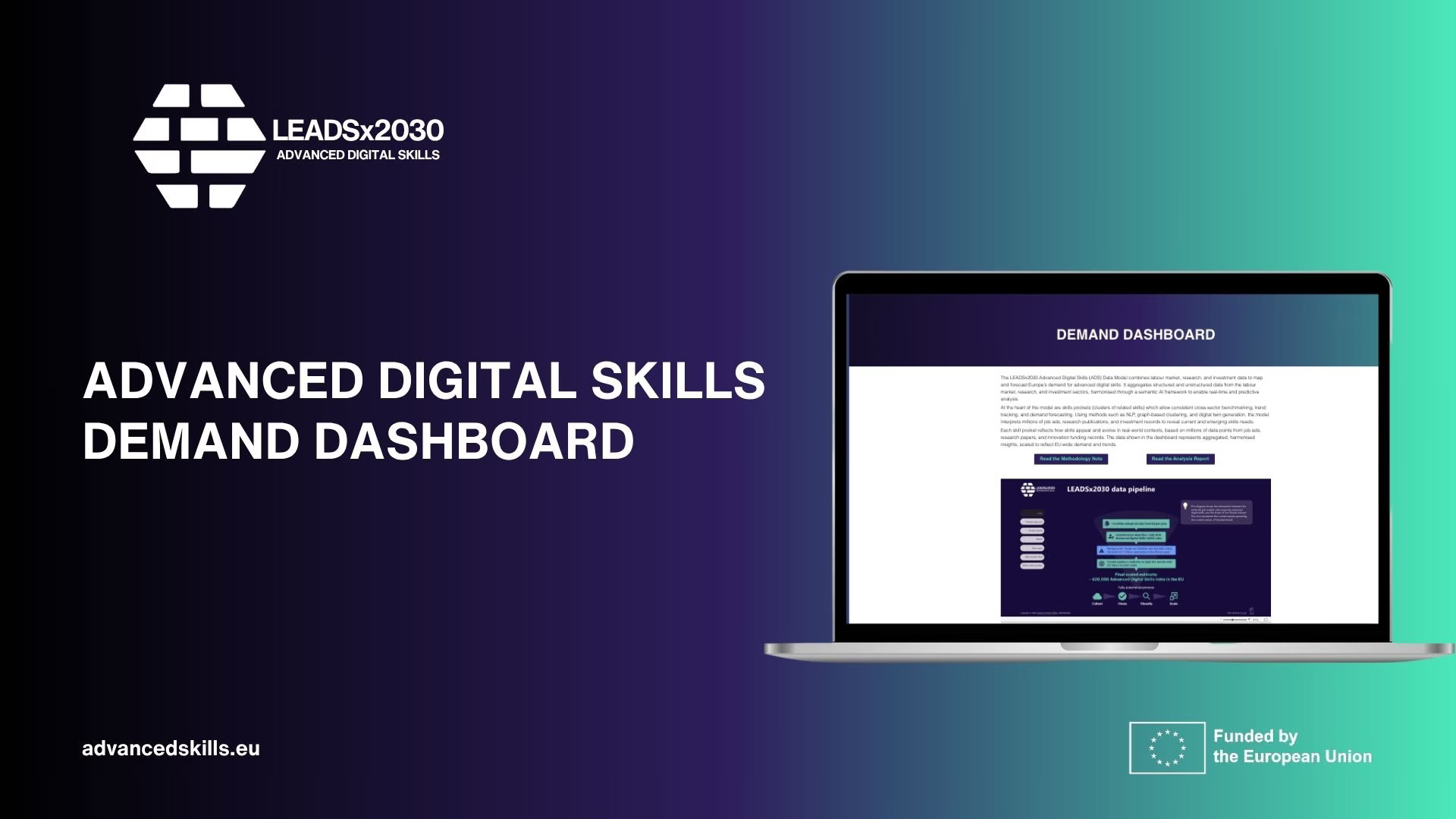
13th November 2025, Brussels, Belgium – The 20×30 Advanced Digital Skills Summit held as part of the Digital skills EU Days convened policymakers, industry leaders, and education stakeholders from across Europe to discuss the future of Advanced Digital skills in Europe.
At the heart of this high-profile event, was presented one of the key outcomes of the LEADSx2030 project: the ADS Data Model dashboard developed by Headai under the LEADSx2030 initiative. This milestone introduces a practical and interactive tool designed to deepen Europe’s understanding of its evolving advanced digital skills landscape and support evidence-based policy and training decisions.
A major step forward for data-driven skills strategy
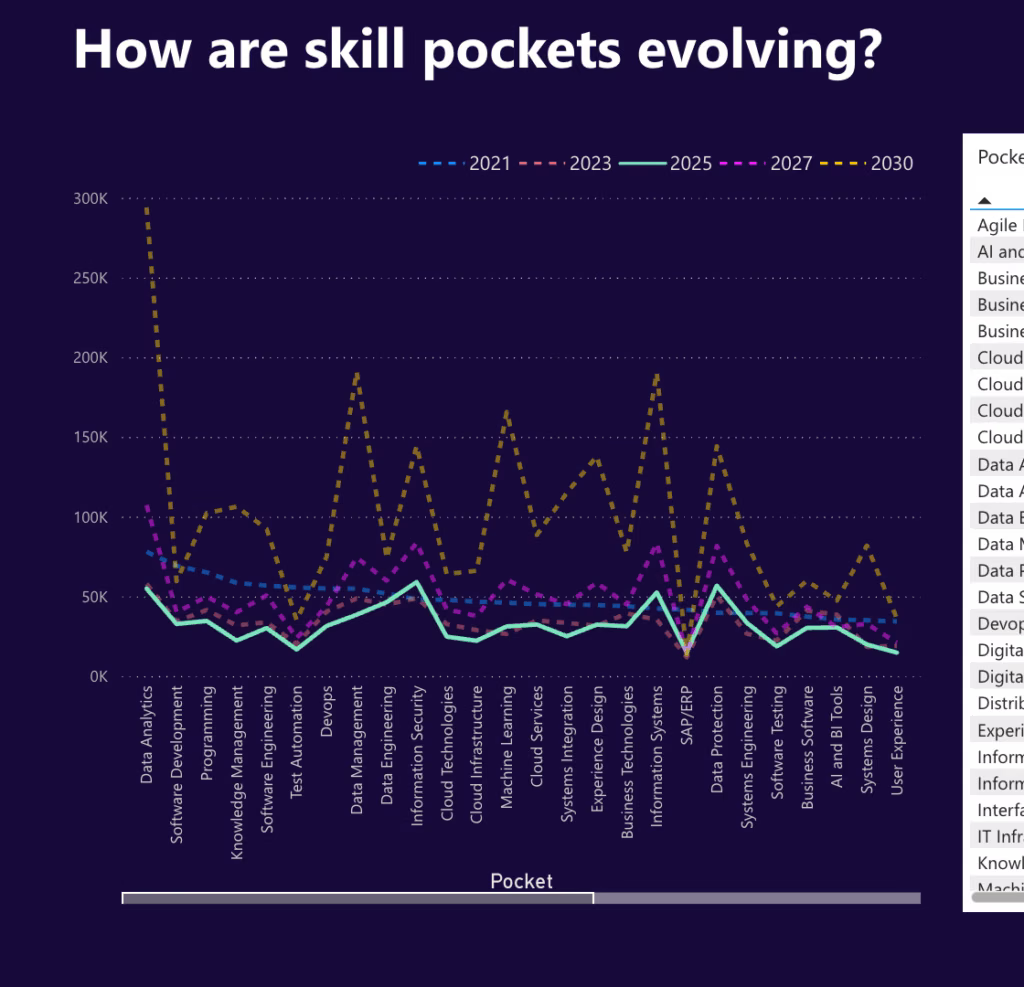
The ADS Data Model dashboard serves as the public interface of the LEADSx2030 analytical framework. It offers users interactive, real-time visualisations of skills demand across Europe, enabling users to explore trends at multiple levels of granularity, from broad domains such as Artificial Intelligence, Cybersecurity, and Cloud Computing, down to specific skill clusters known as “skills pockets.”
Through a user-friendly interface, stakeholders can navigate skill definitions, track demand trajectories and evolving patterns across sectors.
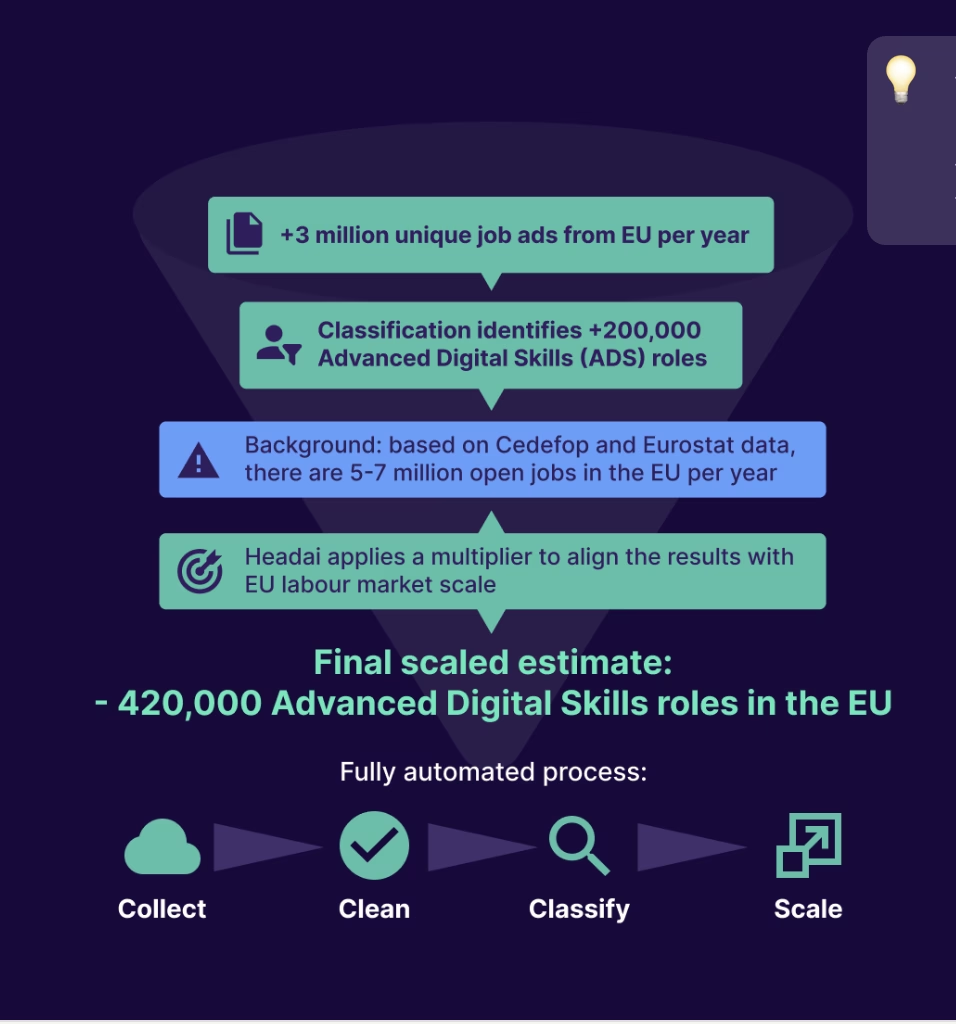
The dashboard is powered by a uniquely comprehensive dataset, harmonised through a semantic AI framework. It integrates:
3 million+ EU job advertisements
10 million open-access research publications
100,000+ investment records
All data is standardised to ensure the reliability of insights, while export options in JSON and CSV formats allow stakeholders to conduct their own analyses.
Why the dashboard matters
The ADS Dashboard represents a strategic tool for Europe’s digital transition, offering practical value across the entire advanced digital skills ecosystem. Its insights support more informed decision-making, strengthen coordination, and help stakeholders respond to rapidly evolving labour market needs.
For education and training providers, the dashboard allows institutions to benchmark their curricula against both current and emerging labour market demands. By monitoring shifts in real time, they can adapt programmes more effectively, ensuring that graduates are equipped with relevant, industry-ready skills. The dashboard also helps identify gaps and opportunities for developing new courses that address unmet or future skills needs.
For policymakers, the dashboard provides forward-looking intelligence to forecast skills demand through 2027 and 2030. It supports early detection of potential shortages, enabling timely interventions before they become structural challenges. The data also help align education, innovation, and industrial policy, while informing more targeted use of funding to strengthen Europe’s talent pipeline.
For industry and employers, the dashboard offers a clearer picture of evolving skills demand driven by innovation and investment trends. Businesses can better understand which niche or emerging “skills pockets” are essential for adopting new technologies and maintaining competitiveness.
In addition to these stakeholder-specific benefits, the dashboard enables comprehensive supply–demand matching. It highlights unserved areas where training provision is lacking, detects saturated skills domains where supply exceeds demand, and reveals “blind spots” (skills that appear first in research outputs before materialising in job advertisements). These insights are critical to ensuring Europe’s digital workforce remains resilient, future-ready and relevant.
A foundation for Europe’s digital decade
The ADS Data Dashboard ensures transparency, usability, and strategic relevance for stakeholders across Europe through the integration of the analytical outputs of the ADS Data Model. It offers a strong foundation for aligning education, policy, and industry initiatives with the fast-changing digital skills landscape.
As part of the LEADSx2030 mission, it will support evidence-based decision-making, strengthen coordination across the SO4 Cluster, and reinforce the identification of best practices to accelerate Europe’s digital readiness.
Go and explore the dashboard here
About LEADSx2030
LEADSx2030 is a European initiative designed to maximise the impact of investments made under the DIGITAL Programme SO4. By leveraging data, knowledge, and networks, it aims to secure Europe’s global competitiveness and prosperity. Acting as both a coordination platform and observatory, LEADSx2030 distils insights into actionable recommendations for developing the SO4 ADS Cluster. With a focus on sustainability and continuous engagement, it builds on the success of previous projects, driving progress through annual cycles, including a flagship summit to validate results, share best practices, and foster collaboration across the Advanced Digital Skills ecosystem.
Learn more here: https://advancedskills.eu/ads-demand-dashboard-2025/
Link to original article: https://advancedskills.eu/new-ads-demand-dashboard-redefines-how-europe-understands-and-builds-the-digital-future/

Helping YTK members find work that matches their real skills

Turning fragmented skills data into shared decisions with LEADSx2030

Seeing what's actually happening in an industry, before it shows up in official statistics
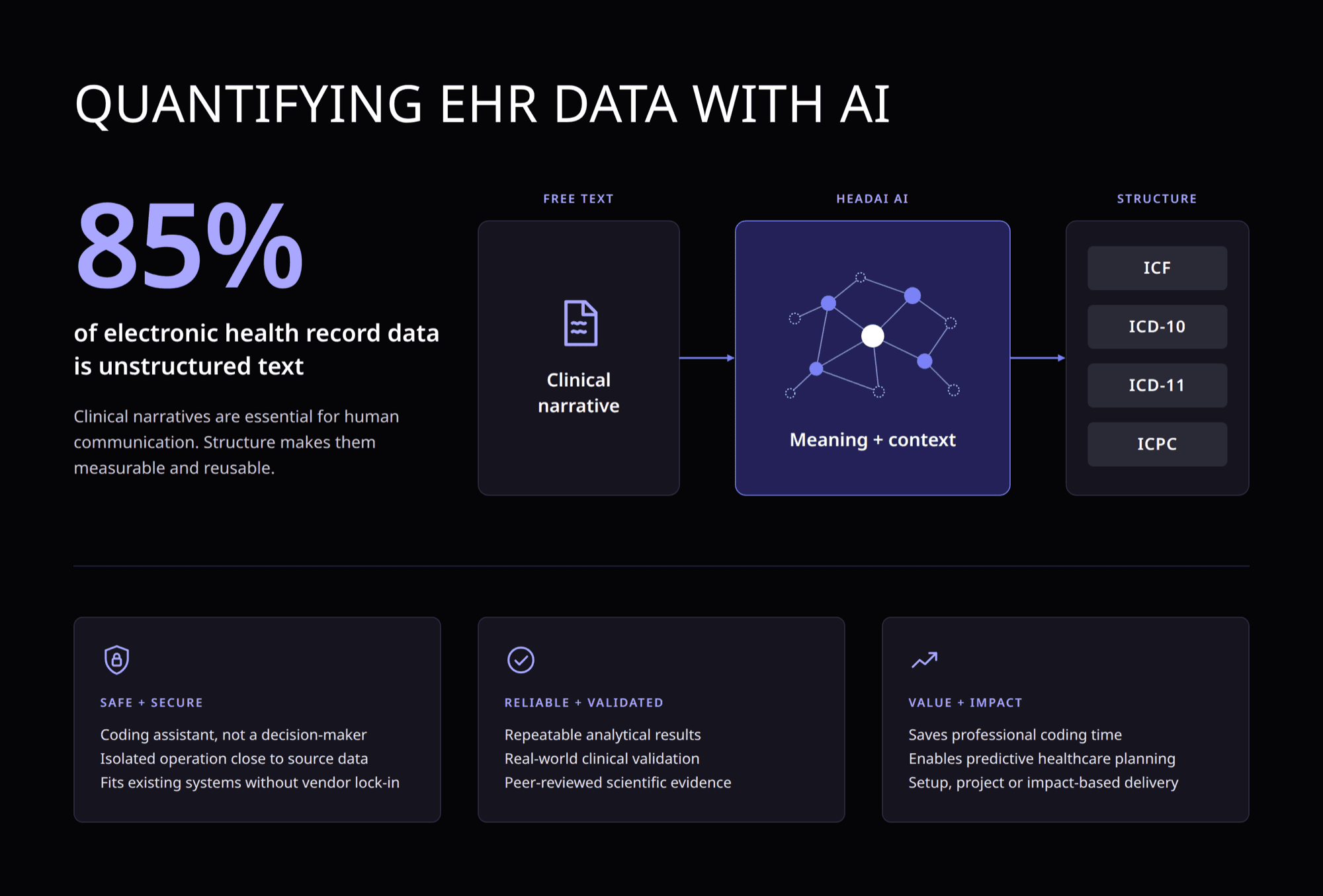
Turning clinical notes into explainable ICF and ICD codes

Consistent where generative AI is not: keywording 5,585 project applications